Little Panda: Princess Makeup
BabyBusEducational
4.0669.00 Reviews
- Version
- 8.76.00.00
- Installs
- 100.00M
- Age Rating
- Everyone
Screenshots
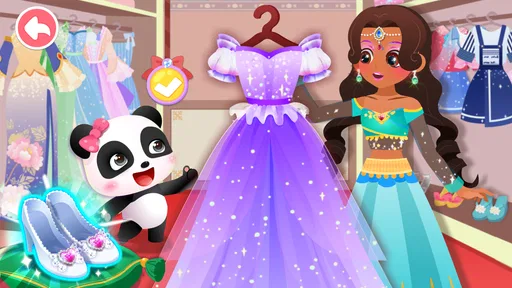
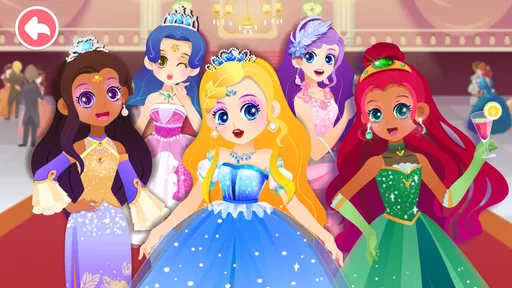
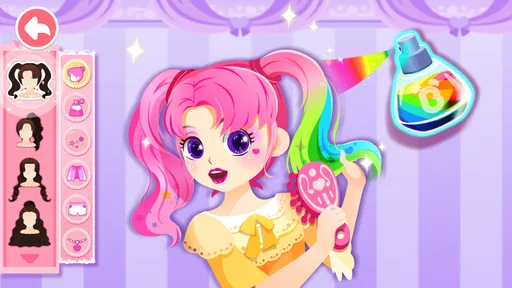
Our Review of Little Panda: Princess Makeup
 Analysis by Appyee
I find Little Panda: Princess Makeup easiest to judge as a child-focused dress-up activity rather than a game with complex goals. Its appeal is in choosing a look, trying combinations, and seeing a character take shape. That makes it a natural fit for short, relaxed play, though it is less suited to children who want puzzles, a story with progression, or a clear challenge to complete.
Reading the screen and finding your way
The bright presentation can make the game feel welcoming, but colorful screens are not automatically easy for every child to read. I would introduce it while sitting beside a young player and watch whether they can tell which items are available and what a tap or swipe does. A child who is still learning to recognize small icons may benefit from a brief demonstration before being left to explore independently.
One useful way to keep the experience manageable is to make a single choice at a time: first try a makeup option, then look at clothing, then decide whether to add an accessory. This turns a large set of visual choices into a simple sequence without imposing a “correct” result. It also gives a child room to explain their choices, which can make the play more social than simply handing over a device.
Touch, attention, and sensory comfort
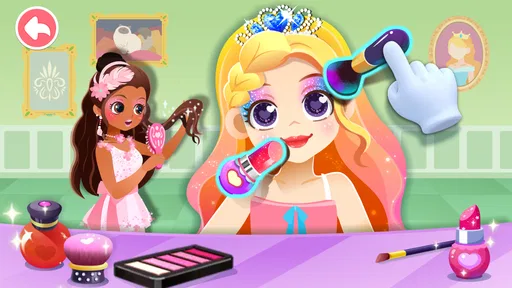
The makeup and outfit activities rely on direct interaction, so a child needs to be comfortable tapping and swiping on a touchscreen. In my view, the simple interaction style is friendlier than a game that asks for precise timing or repeated combinations of buttons. Still, a child who finds touch controls tiring or has difficulty making small, controlled movements may need an adult nearby to help with selection.
The vivid colors, animations, and cheerful sounds are part of the game’s fairytale mood, but they may not suit every child or every moment. If a player is easily distracted by movement or sound, I would keep the first session brief and observe how they respond rather than assuming that a playful presentation will feel calming. It is also worth choosing a quiet moment for a child who tends to rush through bright, busy screens.
When it fits into family life
This is the sort of activity I would consider for a short wait at home or a relaxed turn-taking session, especially when an adult can talk through the choices with a child. For example, a parent could ask which colors feel festive together, then let the child make the final decision. That adds conversation and imagination without turning a simple makeup game into a lesson or a test.
Compared with drawing apps, this game gives children a character and ready-made objects to style, so it may be easier to start when a child is not sure what to create. Compared with puzzle-based educational games, it offers more open-ended visual play but less practice with answers, rules, or problem-solving goals. I would choose it for pretend styling, not as a substitute for a broader learning activity.
Where I would set expectations
Dress-up play is naturally focused on appearance, so I would balance it with other kinds of play if a child is spending a lot of time on screens. The game’s appeal also depends on enjoying princess themes and makeup; children who prefer vehicles, building, animals, or active challenges may lose interest quickly. It is better to let the child’s own interests guide the choice than to treat the theme as universally appealing.
Before handing over a device, I would check the available purchase options and set expectations with the child. The game is free to download, but it includes in-app purchases priced from $0.49 to $3.99 per item. That can matter if a young player taps through screens without understanding that a purchase is different from an ordinary selection. I would also supervise the first session so the child knows how to move between choices and when to stop.
First Impressions and Setup
Installing Little Panda: Princess Makeup was a breeze. The app is available on both Android and iOS, so no matter what device you’re wielding, you’re good to go. Once I fired it up, the first thing that caught my eye was the vibrant and colorful interface. It’s inviting, with playful animations that immediately set a fun and friendly tone. Perfect for kids, but honestly, I found myself enchanted too!
Gameplay and Features
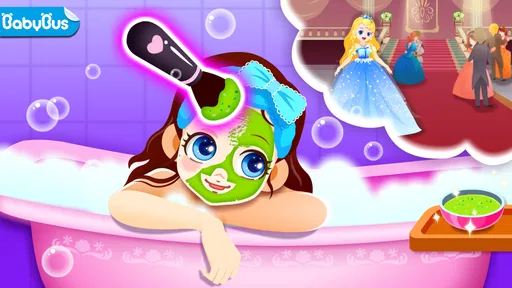
Let’s talk gameplay. The premise is simple yet engaging: you get to help a little panda become a princess. The game is packed with activities that range from makeup application to dressing up in fabulous outfits. I’m talking about a full-on princess transformation experience!
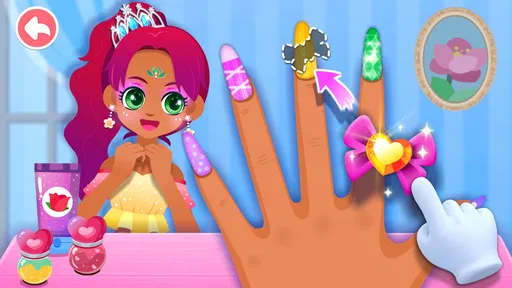
The makeup section is where the magic happens. You’ve got a plethora of options—lipsticks, eyeshadows, blushes, and even some sparkly face stickers. The controls are intuitive, just swipe and tap, making it super easy for anyone to get the hang of it. The best part? You can mix and match to your heart’s content, allowing for endless creative possibilities.
And then there’s the wardrobe. We’re not just talking about a few dresses; there’s an entire closet of gowns, tiaras, and accessories. Each piece is more charming than the last, and I found myself spending quite a bit of time trying out different combinations.
Graphics and Sound
The graphics in Little Panda: Princess Makeup are simply delightful. The developers have done a fantastic job crafting a world that’s both visually appealing and engaging. The animations are smooth, and everything pops with color. It’s like stepping into a fairytale every time you play.
Sound-wise, the game doesn’t disappoint either. The background music is light and cheerful, adding to the overall enchanting feel. Sound effects are spot on, from the swish of a dress to the twinkle of a tiara. It’s those little details that make the experience immersive and enjoyable.
Educational Value and User Experience
While this game is all about fun, it sneaks in some educational elements too. Kids can learn about color coordination and develop fine motor skills as they navigate through makeup and clothing selections. It’s a subtle way to encourage creativity and imagination.
User experience is top-notch. The app is designed with young users in mind, so everything is straightforward and easy to navigate. There are no pesky ads popping up to interrupt the flow, which is a huge plus in my book.
Choosing it for the right child
As an educational game from BabyBus, this is best understood as creative pretend play, not a structured course. I would pick it for a child who enjoys styling characters and making visual choices, especially one who likes to narrate a scene while playing. It is a weaker match for a child looking for levels, scores, competition, or a strong storyline; in those cases, a puzzle game or an interactive story is more likely to hold attention.
A practical way to use it is to invite a child to create a look for an imagined occasion, such as a party, and describe why each item fits. The adult can offer a gentle prompt—“Would you like a bold color or a softer one?”—then leave the decision with the child. That small change makes the activity collaborative while preserving the child’s control over the design.
Small choices that make play smoother
When a child is excited by many options, I find it helps to narrow the task rather than rush them through the screens. Suggest choosing one favorite makeup detail first, then selecting clothes that suit it. This gives the child a simple creative constraint and can make the result feel intentional, without needing a score or a winning combination.
For shared play, taking turns choosing one item can prevent an older sibling or adult from doing all the styling. It also reveals whether the child can navigate the choices independently or prefers help. If the child becomes frustrated, stepping back to one category at a time is more useful than trying to explain every option at once.
What the game does—and does not—teach
The educational value is informal: children can experiment with colors, notice how accessories change a look, and practice making selections with their fingers. I would not present it as a lesson in beauty, fashion rules, or artistic technique. Its strongest learning opportunity comes from conversation and imaginative decision-making around the play, rather than from a formal teaching sequence.
That distinction matters when choosing between this and a drawing tool. A drawing app offers a blank space and asks the child to create marks from scratch, which can be rewarding but intimidating. Here, the character and styling choices provide a starting point. The trade-off is less freedom to invent shapes and scenes than a blank canvas, so children who want to draw their own characters may be happier elsewhere.
Practical details for parents
The game is free, rated Everyone, and has a 3.8 average from around 161,000 ratings, with more than 100 million installs. It was released on July 24, 2019, and version 8.75.13.00 requires Android 6.0 or later. I would use those details as a quick compatibility check, then focus on whether the child actually enjoys the theme and interaction style.
One question parents often have is whether this can work without constant adult help. A child who is already comfortable with tapping and swiping may be able to explore the basic styling activity, while a younger or less confident player may need a first-session walkthrough. Another is whether it suits a short break: yes, the simple make-and-change premise lends itself to brief turns, though a child absorbed in trying combinations may not want to stop immediately, so set a clear stopping point beforehand.
I would also keep expectations modest about variety over repeated sessions. The pleasure is in making different combinations, not in progressing through a demanding game structure. If a child has already explored the available looks and wants new goals, rotating to a story, building activity, or hands-on craft may be more satisfying than expecting this title to provide a fresh challenge every time.
Final Thoughts
So, what’s the verdict on Little Panda: Princess Makeup? It’s a charming app that delivers exactly what it promises—a delightful, creative experience perfect for kids and adults who enjoy a bit of lighthearted fun. Whether you’re looking to entertain the little ones or just need a break from the hustle and bustle, this game is a gem.
If you’re ready to dive into a world of makeup magic and princess dreams, you can download it right now and start your enchanting adventure. Trust me, you won’t be disappointed!
An inclusive recommendation, with realistic limits
I see its clearest strength as offering a low-pressure way for a child to make visible choices without needing to read a long story or solve a timed task. The colorful styling theme can invite participation from children who enjoy pretend play, and an adult can adapt the session by taking turns, offering verbal prompts, or letting the child explore quietly. Those options make it easier to fit the game to different temperaments, though they do not guarantee that every child will find the screen comfortable or the controls accessible.
My recommendation is therefore specific: try it with a child who is drawn to princess dress-up and can manage basic touch interaction, and stay close enough to help with choices or purchases. If the child is sensitive to lively visuals and sound, struggles with touch input, or simply has no interest in makeup and outfits, I would choose a calmer activity or a different kind of game. For the right player, it is a pleasant little canvas for make-believe; its value comes from the child’s own ideas, not from depth or challenge.
Verdict
Strengths of Little Panda: Princess Makeup
- User-friendly interface for kids.
- Vibrant graphics and animations.
- Encourages creativity and imagination.
- Wide variety of makeup options.
- Parental controls available.
Limitations of Little Panda: Princess Makeup
- Contains in-app purchases.
- Ads can disrupt gameplay.
- Limited free content.
- Requires internet connection.
- Might not engage older kids.
Other Releases by BabyBus
View All
Little Panda Policeman
Educational4.0

Little Panda's Chinese Recipes
Educational4.4

Little Panda's Restaurant
Educational4.4

Little Panda's Ice Cream Games
Educational4.3
Similar Picks in This Category
View AllLittle Panda Policeman
BabyBus4.0

Monster Trucks Game for Kids 2
Raz Games4.1
Little Panda's Chinese Recipes
BabyBus4.4
Little Panda's Restaurant
BabyBus4.4
Little Panda's Ice Cream Games
BabyBus4.3

Baby Panda Care
BabyBus3.8
Frequently Asked Questions
What age group is Little Panda: Princess Makeup suitable for?
Little Panda: Princess Makeup is primarily designed for children aged 3 to 8 years old. The app features safe and engaging content that encourages creativity and imagination, making it ideal for this age group. Parents can rest assured that the app offers a child-friendly environment with no inappropriate content.
Does Little Panda: Princess Makeup include in-app purchases?
Yes, Little Panda: Princess Makeup may include in-app purchases. While the app itself is free to download, there are optional features and items that can be bought to enhance the gameplay experience. Parents should monitor these purchases to prevent accidental spending by children.
Is Little Panda: Princess Makeup available offline?
Little Panda: Princess Makeup can be played offline, making it a convenient option for parents looking to entertain their children without the need for an internet connection. However, some features, such as updates or additional content, may require connectivity to access and download.
Are there any advertisements in Little Panda: Princess Makeup?
Little Panda: Princess Makeup may contain advertisements. These ads are usually child-appropriate, but parents should be aware that they can sometimes interrupt gameplay. It's advisable to review the app's settings or consider purchasing an ad-free version if available to provide a seamless experience for children.
How does Little Panda: Princess Makeup promote creativity in children?
The app encourages creativity by allowing children to experiment with various makeup styles, colors, and accessories. It provides a virtual space for them to express themselves artistically, enhancing their imagination and artistic skills. The app's intuitive interface is designed to empower children to create unique looks with ease.
Play our best games!


